Beyond 'Free': What Are You Really Paying With Your Data and Privacy?
The allure of 'free' online services is undeniable, from social media platforms to email providers and even many productivity tools. However, this seemingly benevolent offering comes at a significant cost: your personal data and privacy. Companies collect a vast array of information, including your browsing habits, location, demographics, and even your emotional responses to content. This data is then meticulously analyzed to build detailed profiles, which are then used for targeted advertising, behavioral targeting, and even to influence your decisions. You might not see a monetary transaction, but you're effectively trading valuable personal information for access, becoming a product yourself in the process.
The implications of this data exchange extend far beyond simply seeing more relevant ads. Consider the potential for discrimination based on your profile, or the manipulation of public opinion through carefully curated information feeds. Furthermore, data breaches are a constant threat, exposing your sensitive information to malicious actors. The 'free' model also fosters a lack of transparency, making it difficult to understand exactly what data is being collected, how it's being used, and with whom it's being shared. Ultimately, the price of 'free' can be a gradual erosion of your autonomy and a compromise of your digital security, making it crucial to understand the true value of your data.
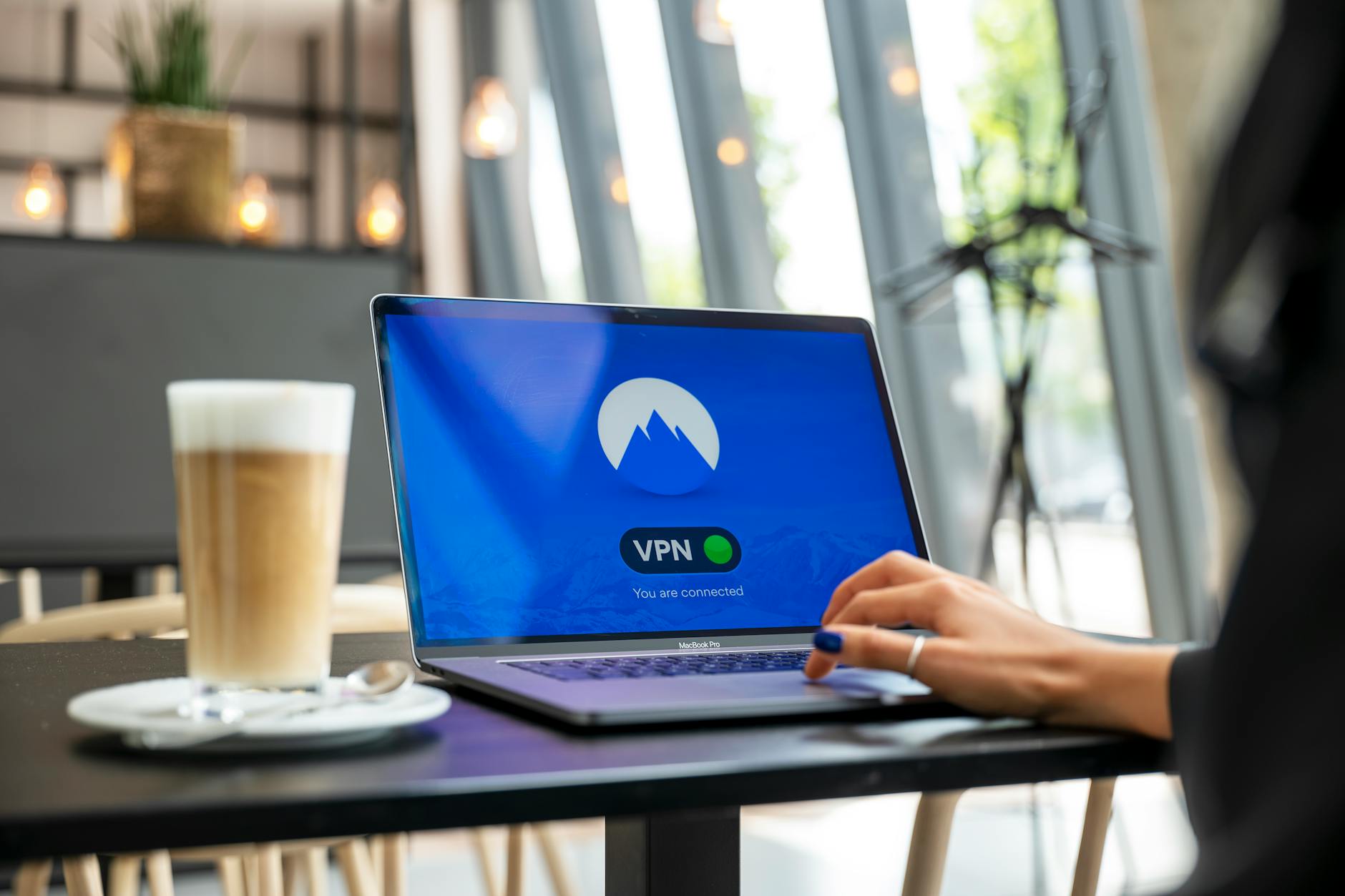
Many people search for a free vpn to protect their online privacy and access geo-restricted content. While free VPNs can seem appealing, it's important to be aware of their potential limitations and security risks compared to paid services.
Navigating the Free VPN Minefield: Common Questions, Practical Tips, and Safer Alternatives
The allure of a 'free VPN' is undeniable, promising enhanced privacy and unfettered access without a price tag. However, beneath the surface, this seemingly benevolent offering often conceals a minefield of potential risks and compromises. Many free VPNs rely on questionable monetization strategies, such as injecting ads into your browsing, logging and selling your personal data, or even utilizing your device's bandwidth for a network of other users without your explicit consent. Furthermore, their infrastructure is frequently under-resourced, leading to slow speeds, unreliable connections, and a limited number of server locations. Before blindly downloading the first free VPN you encounter, it's crucial to understand these inherent trade-offs and evaluate whether the perceived benefits outweigh the significant privacy and security drawbacks.
Navigating this complex landscape requires a discerning eye and a focus on practical strategies. When considering a free VPN, always prioritize providers with transparent privacy policies that clearly state what data they collect and how it's used. Look for services that have been independently audited for security vulnerabilities. However, for genuinely robust privacy and security, exploring safer alternatives is often the most prudent course. Consider:
- Reputable Paid VPNs: Offer superior encryption, faster speeds, and a strict no-logs policy.
- VPN Trials: Many premium services offer free trials, allowing you to test their features before committing.
- Open-Source VPN Solutions: For technically savvy users, self-hosting an open-source VPN provides ultimate control.
Ultimately, investing in a reliable VPN or utilizing secure alternatives is a small price to pay for safeguarding your digital footprint.