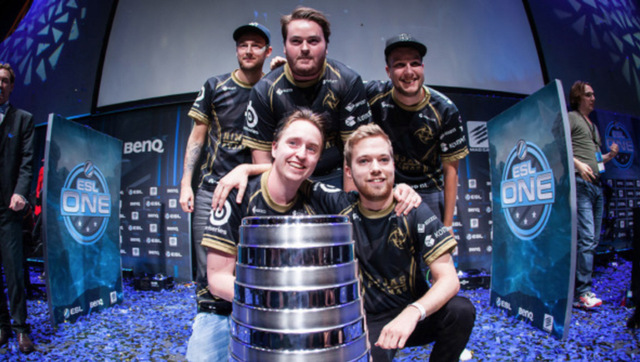
The Evolution of CS:GO Major Championships: A Historical Overview
The evolution of CS:GO Major Championships has been a remarkable journey since the game's release in 2012. Initially, the competitive landscape was dominated by smaller tournaments and local qualifiers. However, in 2013, the introduction of the first Major, DreamHack Winter, marked a pivotal moment for the scene. This event not only offered a substantial prize pool but also showcased the potential for Counter-Strike: Global Offensive to attract a global audience. Over the years, we have witnessed the growth of the Major Championships, with more teams and regions participating, ultimately culminating in events that draw millions of viewers worldwide.
As the CS:GO Major Championships progressed, several key factors contributed to their success. First and foremost was the establishment of consistent formats and structures, which included new tournament formats like the Swiss system. This innovation allowed for more matches and greater spectator engagement. Additionally, the partnership between tournament organizers and developers, particularly Valve, ensured that the Majors maintained high standards of production and professionalism. From the iconic victory runs of teams like fnatic and SK Gaming to thrilling upsets and the rise of new contenders, the history of these championships reflects the dynamic nature of CS:GO's competitive scene.
Counter-Strike is a popular tactical first-person shooter game series that focuses on team-based gameplay, strategy, and skill. Players can assume the role of terrorists or counter-terrorists and engage in various mission objectives, such as planting bombs or rescuing hostages. For those interested in achievements, you can discover How to get Service Medal CS2 which rewards players for their dedication and skills in the game.
Top Teams and Players Who Dominated CS:GO Majors
Counter-Strike: Global Offensive (CS:GO) has seen numerous teams and players rise to prominence through their remarkable performances in the CS:GO Majors. Among the most dominant teams, SK Gaming and Team Astralis stand out, with each securing multiple major championships. SK Gaming, with legendary players like Gabriel ' FalleN' Toledo and Fernando 'Fer' Alvarenga, claimed the major title in Cologne 2016 and Brasilia 2017, showcasing their exceptional teamwork and strategy. Meanwhile, Astralis set a new standard in competitive play, winning the faceit Major 2018 and the IEM Katowice 2019, solidifying their legacy with a blend of skill and innovative tactics.
When discussing individual talents, names like Niko from G2 Esports and
What It Takes to Compete in a CS:GO Major: Insights and Strategies
Competing in a CS:GO Major is a monumental challenge that requires not only exceptional gaming skills but also strategic planning and teamwork. To stand out among the thousands of aspiring teams, players must hone their mechanical skills through endless practice, immersion in the game's mechanics, and a deep understanding of maps and tactics. Preparation is key; teams should engage in rigorous training regimens that include analyzing past performances, studying opponents, and refining their communication techniques. Incorporating scrims—practice matches against other teams—allows players to simulate real match environments and test their strategies in a competitive setting.
Furthermore, mindset plays an equally crucial role in competing at such a high level. Players should maintain a strong focus on team cohesion and adaptability; when faced with high-pressure situations, the ability to stay calm and adjust strategies on-the-fly can make the difference between victory and defeat. It’s essential to develop a thorough understanding of roles within the team, ensuring that each player knows their responsibilities and can effectively utilize their strengths. Lastly, regular participation in qualifiers and smaller tournaments helps teams gain the necessary experience to tackle the pressure of major events, ultimately paving the way for a successful run in a CS:GO Major.