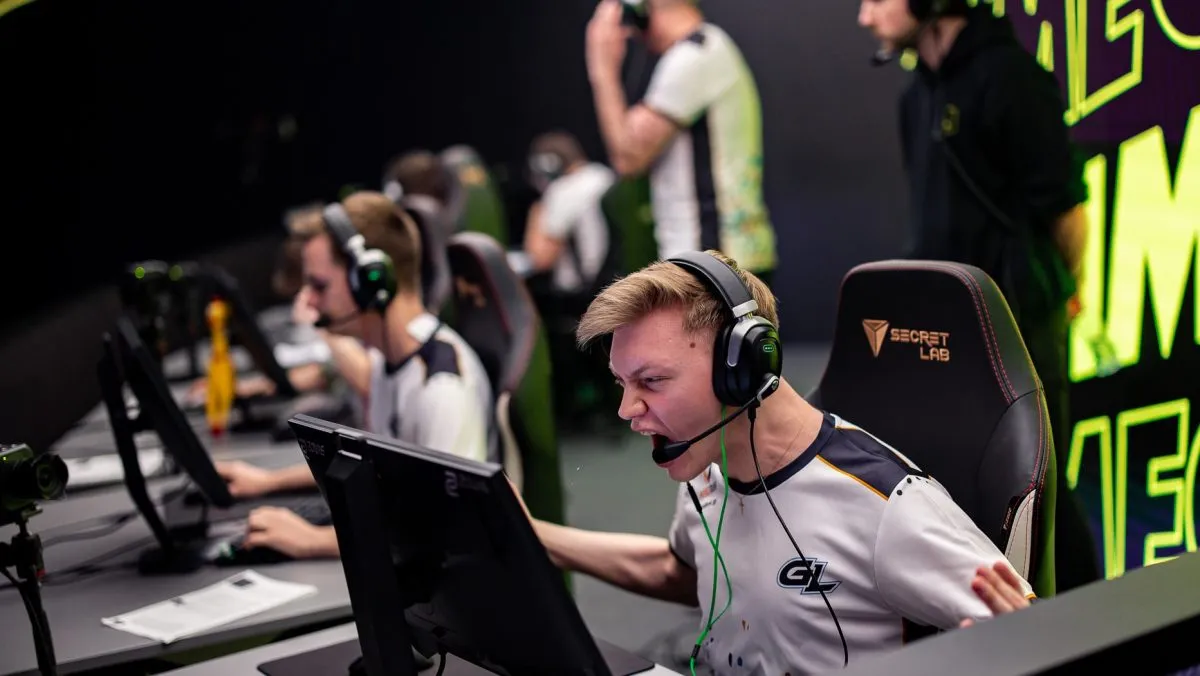
Understanding the Mechanics of CS2: How Every Click Influences the Game
In CS2, every click matters, as it not only influences the immediate actions of your character but also shapes the overall gameplay strategy. Understanding the mechanics behind each click can significantly improve your performance. For instance, the choice of when to shoot, reload, or throw a grenade can determine the course of a round. Players must master the art of timing; effective clicking can trigger a cascade of events that might lead to a team victory or a crushing defeat.
The relationship between player actions and game mechanics in CS2 extends beyond mere click timing. From movement to aiming and shooting, each action is interconnected. Here are some key elements to consider:
- Aim: Precision is crucial when clicking to shoot.
- Movement: Knowing when to strafe can enhance your survivability.
- Team Communication: Every click should align with team strategy.
By focusing on how each of these components interacts through click mechanics, players can elevate their game to new heights.
Counter-Strike is a popular multiplayer first-person shooter game that has captivated gamers worldwide. Players engage in team-based combat where they can choose to be either terrorists or counter-terrorists. A key aspect of the game is acquiring unique weapon skins, and players often look for ways to enhance their collections. For those interested, you can CS2 Skins upgraden to improve your in-game arsenal.
Top Strategies for Success in CS2 Esports: Mastering Precision and Timing
The landscape of CS2 Esports is incredibly competitive, making it essential for players to adopt the best strategies for success. One of the foremost strategies revolves around mastering precision. This requires extensive practice with a focus on aiming techniques and understanding weapon mechanics. Players can enhance their aim by regularly engaging in aim training exercises, which can be found in various online platforms. Additionally, utilizing in-game settings and crosshair configurations tailored to personal preferences can greatly improve hit accuracy. Integrating timing into gameplay is equally crucial; knowing when to engage or disengage during battles can turn the tide of a match. By developing these skills, players are positioning themselves for success in the highly dynamic world of CS2 esports.
Another essential strategy involves teamwork and communication. In CS2, being able to coordinate with teammates can significantly enhance overall performance in matches. Establishing clear communication channels, such as using voice or text chat effectively, can provide valuable information on enemy locations and strategy adjustments. Furthermore, conducting regular team drills can help to synchronize movements and execute strategies seamlessly. Finally, players should also focus on reviewing match replays to identify areas for improvement. Analyzing both personal and team dynamics can unveil insights into timing and precision errors that may hinder success. By incorporating these methods, aspiring CS2 esports athletes can increase their chance of climbing the competitive ladder.
What Makes a Great CS2 Esports Team? Insights on Communication and Coordination
Building a great CS2 esports team hinges on the foundational elements of communication and coordination. Effective communication is crucial for ensuring that all team members are on the same page, especially during high-pressure situations. Teams that prioritize regular discussions—whether through voice chat during practice or utilizing structured team meetings—are better equipped to quickly adapt their strategies during matches. Key aspects of communication include:
- Clear callouts and in-game terminology
- Post-match debriefs to analyze performance
- Active listening among team members
Moreover, coordination is essential for executing strategies seamlessly during gameplay. A well-coordinated team can utilize their roles and responsibilities to create synergistic plays that catch opponents off guard. This involves extensive practice and a deep understanding of each player’s strengths and weaknesses. Consider these factors for enhancing coordination:
- Developing a shared strategy and tactical playbook
- Practicing set plays under various scenarios
- Utilizing team-building exercises to strengthen bonds