The Science Behind Sweat: Why Does It Smell Like Gym Shoes?
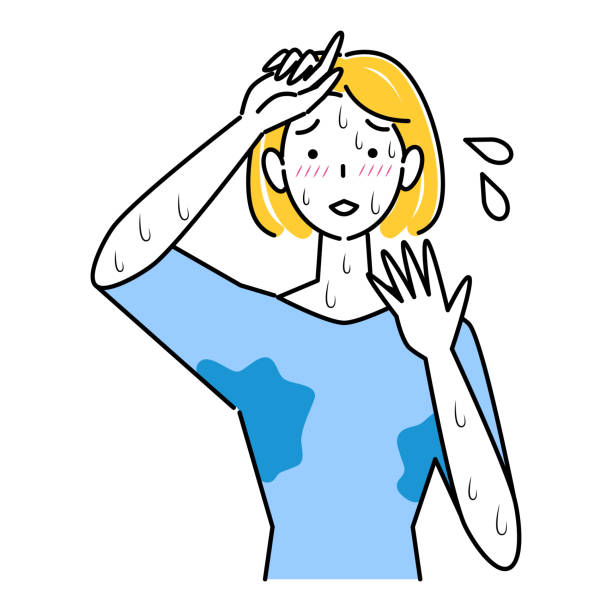
The science behind sweat is a fascinating topic that unveils the complex processes our bodies undergo during physical activity. When we exercise, our bodies produce sweat to regulate temperature, which is primarily made up of water, salts, and trace amounts of other substances. However, the odor that often accompanies sweat, particularly after a workout, can sometimes remind us of gym shoes. This unique smell primarily results from the presence of bacteria on our skin. As sweat evaporates, these bacteria break down sweat components, producing volatile organic compounds that emit unpleasant odors.
Interestingly, not all sweat smells the same; the composition of sweat varies between individuals and can be influenced by diet, medications, and genetics. For instance, foods such as garlic and onions can exacerbate the smell, while a healthy diet may limit it. Additionally, areas of the body that have a higher concentration of sweat glands, such as the feet, often develop stronger odors when coupled with warm, moist environments—think of your favorite pair of gym shoes. To mitigate unpleasant odors, maintaining proper hygiene, wearing moisture-wicking fabrics, and choosing breathable footwear can help keep both your body and your shoes smelling fresh.
Counter-Strike is a popular first-person shooter game that focuses on team-based gameplay and strategy. Players can engage in various modes, from bomb defusal to hostage rescue. For gamers who enjoy intense competition, the game offers numerous tactical challenges. If you're looking for something to enhance your gaming experience, check out the Top 10 Apple Watch Bands for Sweating to keep your gear comfortable during intense gaming sessions.
What Causes That Post-Workout Odor? Understanding Sweat and Bacteria
After an intense workout, many individuals notice a distinct post-workout odor that emanates from their skin and gear. This odor is primarily a result of the interaction between sweat and bacteria on the body. When you exercise, your body temperature rises, prompting your sweat glands to work overtime in an effort to cool you down. Sweat itself is primarily composed of water and electrolytes, which are generally odorless. However, once the sweat reaches the surface of your skin, it comes into contact with the bacteria that naturally reside on your skin. The breakdown of sweat by these bacteria produces various compounds, leading to that characteristic smell.
Understanding the two primary factors contributing to post-workout odor — sweat and bacteria — can help you manage and reduce it. Here are some key points to consider:
- Hygiene: Regularly showering and using antibacterial soap can minimize the bacterial population on your skin.
- Diet: Certain foods, such as garlic and spicy dishes, can also alter body odor due to the compounds they release.
- Clothing: Wearing breathable fabrics can help wick moisture away from your skin, reducing the environment in which bacteria thrive.
Is Your Sweat Making You Smell? Here's What You Need to Know
Is your sweat making you smell? This common concern is often linked to the body's natural processes, where sweat itself is mostly odorless. However, when sweat interacts with bacteria on the skin, it can result in unpleasant odors. Factors such as diet, hygiene practices, and genetics can all influence how your body produces sweat and subsequent smells. For instance, foods rich in spices or garlic can amplify body odor, making it essential to consider your diet if you notice increased scent.
To manage this issue effectively, maintaining good hygiene is vital. Regular bathing and using antibacterial soap can help minimize the buildup of odor-causing bacteria. Additionally, consider using antiperspirants or deodorants that are specifically formulated to combat smells. If you're dealing with persistent body odor despite these efforts, it might be worthwhile to consult a healthcare professional, as it could be a sign of an underlying health condition.