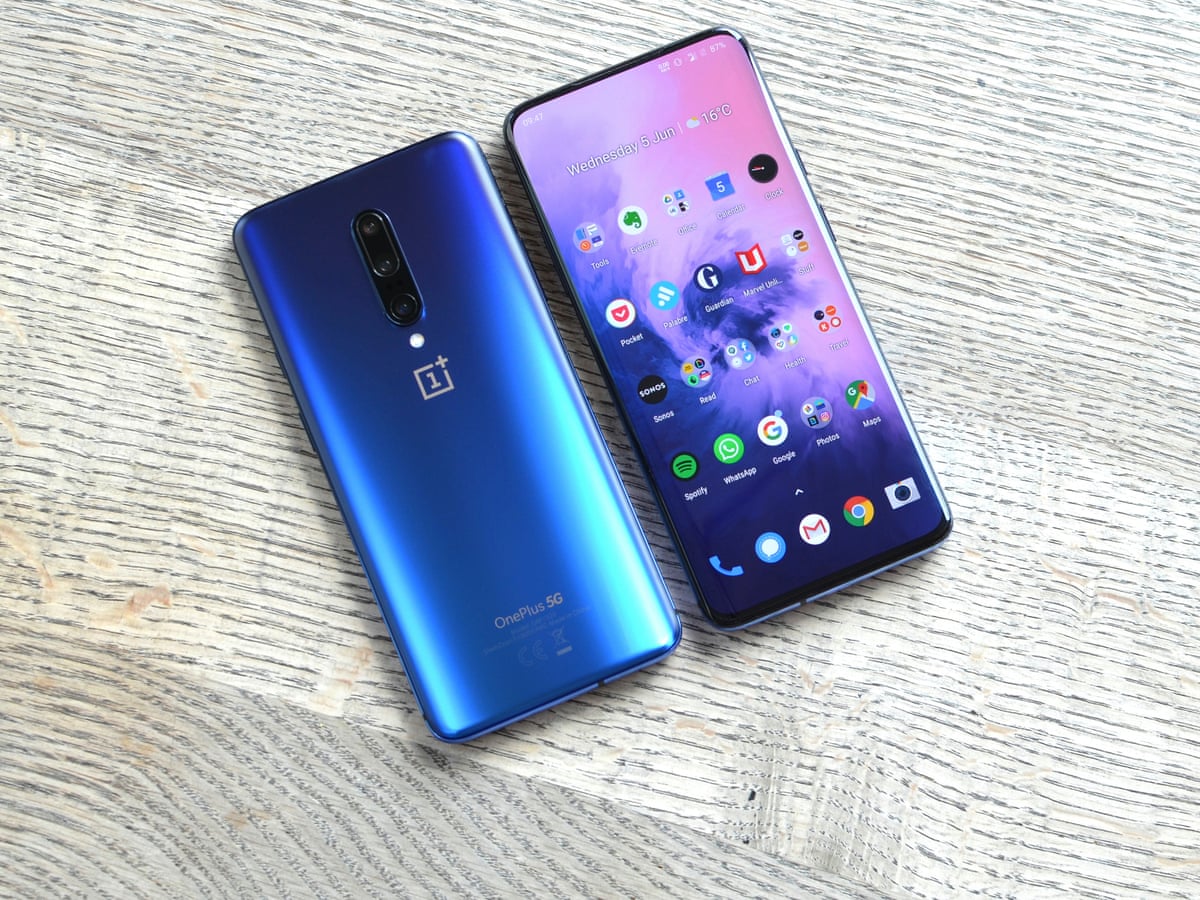
How Smartphones Revolutionized Our Daily Lives: A Deep Dive
Smartphones have fundamentally transformed our daily lives by integrating technology seamlessly into our routine activities. From communication to entertainment, education, and beyond, these devices have changed how we interact with the world around us. Consider how we used to connect with friends and family; once limited to landlines and letters, now we can video call, text, or share moments in real-time through various social media platforms. This instant connectivity has not only enhanced our personal relationships but also revolutionized business communication, allowing for unprecedented levels of collaboration and efficiency.
Furthermore, smartphones have opened up a world of information at our fingertips. With just a few taps, we can access news, educational resources, and how-to guides, making it easier than ever to learn new skills or stay informed about global events. Mobile applications have become powerful tools for productivity, offering everything from task management to budget tracking. As we navigate our daily lives, it’s clear that these devices have not only made tasks more manageable but have also reshaped the way we think about our time and how we value our connections, making the smartphone a true game-changer in the modern era.
Counter-Strike is a highly popular tactical first-person shooter game that has captured the hearts of gamers worldwide. Players are divided into two teams, terrorists and counter-terrorists, where they compete to complete objectives or eliminate the opposing team. The game requires strategic planning, teamwork, and quick reflexes, making it a mainstay in competitive gaming.
For photography enthusiasts, finding the right accessories is crucial. Check out the Top 10 iphone camera lenses to enhance your mobile photography experience.
The Evolution of Smartphones: From Basic Communication to Smart Assistants
The evolution of smartphones has transformed how we communicate, work, and interact with the world around us. Initially, in the early 1990s, mobile phones primarily provided basic communication capabilities, enabling users to make calls and send text messages. However, with the introduction of devices like the Blackberry and the first iPhone, smartphones integrated features beyond mere telephony. These devices started to include cameras, email access, and limited internet browsing, paving the way for what would become the modern smartphone. By the late 2000s, smartphones began to incorporate advanced operating systems, leading to functionalities that far exceeded traditional communication methods.
As technology progressed, smartphones evolved into powerful smart assistants that significantly enhance our daily lives. Today’s smartphones are equipped with AI-driven virtual assistants like Siri, Google Assistant, and Alexa, capable of performing tasks ranging from setting reminders to controlling smart home devices. Additionally, the integration of machine learning has allowed these devices to understand user preferences, providing personalized recommendations and assistance. This remarkable shift not only reflects the advancement in technology but also showcases the growing role of smartphones as indispensable tools for productivity and convenience in our fast-paced world.
Are Smartphones Making Us Smarter or More Distracted?
The debate over whether smartphones are making us smarter or more distracted is ongoing. On one hand, smartphones provide access to a vast array of information at our fingertips, enabling us to learn new skills, stay informed about current events, and connect with educational resources. For example, educational apps and online courses allow users to explore topics ranging from coding to history, thus enhancing their knowledge base. According to a study by Pew Research, approximately 72% of Americans have used their smartphones to look up information in the past year, showcasing their role as powerful learning tools.
Conversely, the constant notifications and the lure of social media can lead to significant distractions. Many users find themselves caught in a cycle of compulsively checking their phones, often leading to reduced attention spans and productivity levels. A 2021 report indicated that the average person checks their smartphone over 100 times a day, which can detract from face-to-face interactions and deep work. As the use of smartphones continues to rise, it is essential to reflect on how to harness their potential to enhance learning while minimizing their distracting effects.