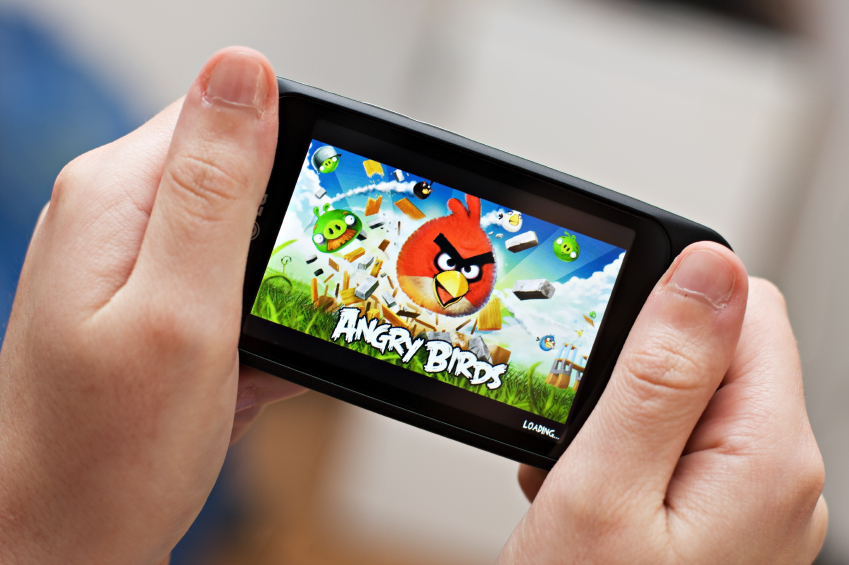
How Mobile Gaming is Redefining Social Connections
The rise of mobile gaming has brought forth a revolutionary shift in how we forge and maintain social connections. Unlike traditional gaming platforms, mobile games offer unprecedented accessibility, allowing players from all walks of life to connect via their smartphones. Whether it's competing in an intense multiplayer showdown, collaborating on quests, or simply sharing achievements on social media, mobile games have transformed solitary play into a vibrant social experience. As a result, players are not just gaming; they are forming lasting friendships and communities based on shared interests and experiences.
Moreover, mobile gaming has introduced innovative features that further enhance social interactions. Many games now incorporate chat functions, voice calls, and interactive leaderboards, which encourage players to communicate and collaborate. As they coordinate strategies or celebrate victories together, the lines between virtual friendships and real-world connections blur. This phenomenon highlights how mobile gaming is not merely a pastime but a powerful tool for building relationships across geographical boundaries, strengthening the idea that gaming can be a pivotal aspect of our social lives.
Counter-Strike is a popular first-person shooter game that emphasizes team-based gameplay and strategic planning. Players engage in intense matches, taking on the roles of either terrorists or counter-terrorists. For those looking to enhance their gaming experience, consider using one of the Top 10 iPhone controllers to improve precision and control during gameplay.
The Rise of Mobile Gaming Communities: A New Social Network?
The rise of mobile gaming communities has transformed the landscape of social networking. No longer are gamers confined to traditional platforms or console-based interactions; they now congregate in vibrant mobile ecosystems. These communities offer unique opportunities for players to connect over shared interests, from casual puzzle games to competitive battle royales. As more users turn to their smartphones for gaming, the growth of these mobile gaming communities is undeniable. Players not only seek entertainment but also a sense of belonging, making these online spaces a new form of social network.
Among the driving forces behind this phenomenon is the accessibility and convenience of mobile gaming. With billions of people owning smartphones, the barrier to entry is lower than ever, leading to diverse communities where players can engage through forums, social media, and in-game chats. Games like Fortnite, Among Us, and many others have fostered environments where collaboration and competition thrive. By participating in these mobile gaming communities, users are forging friendships, sharing strategies, and even discovering new cultures, illustrating how mobile gaming is paving the way for a new era of social interaction.
Can Mobile Games Help You Make Real Friends?
Mobile games have revolutionized the way we connect with others, transcending traditional barriers of distance and time. With the rise of multiplayer games and social features integrated into these platforms, it's become increasingly common for players to form meaningful relationships with each other. According to a recent survey, over 70% of mobile gamers reported having made friends through their gaming experiences. These connections often lead to real-life interactions, whether through in-person meetups or ongoing conversations on social media and messaging apps.
Not only do mobile games provide a fun escape from reality, but they also foster teamwork and collaboration, essential components in building friendships. Titles like Among Us and Fortnite encourage players to communicate and strategize together, creating a sense of camaraderie. Furthermore, community events and online forums surrounding these games often serve as a platform for players to meet and bond over shared interests. Thus, mobile games can be a gateway to forging genuine friendships in today's digital age.