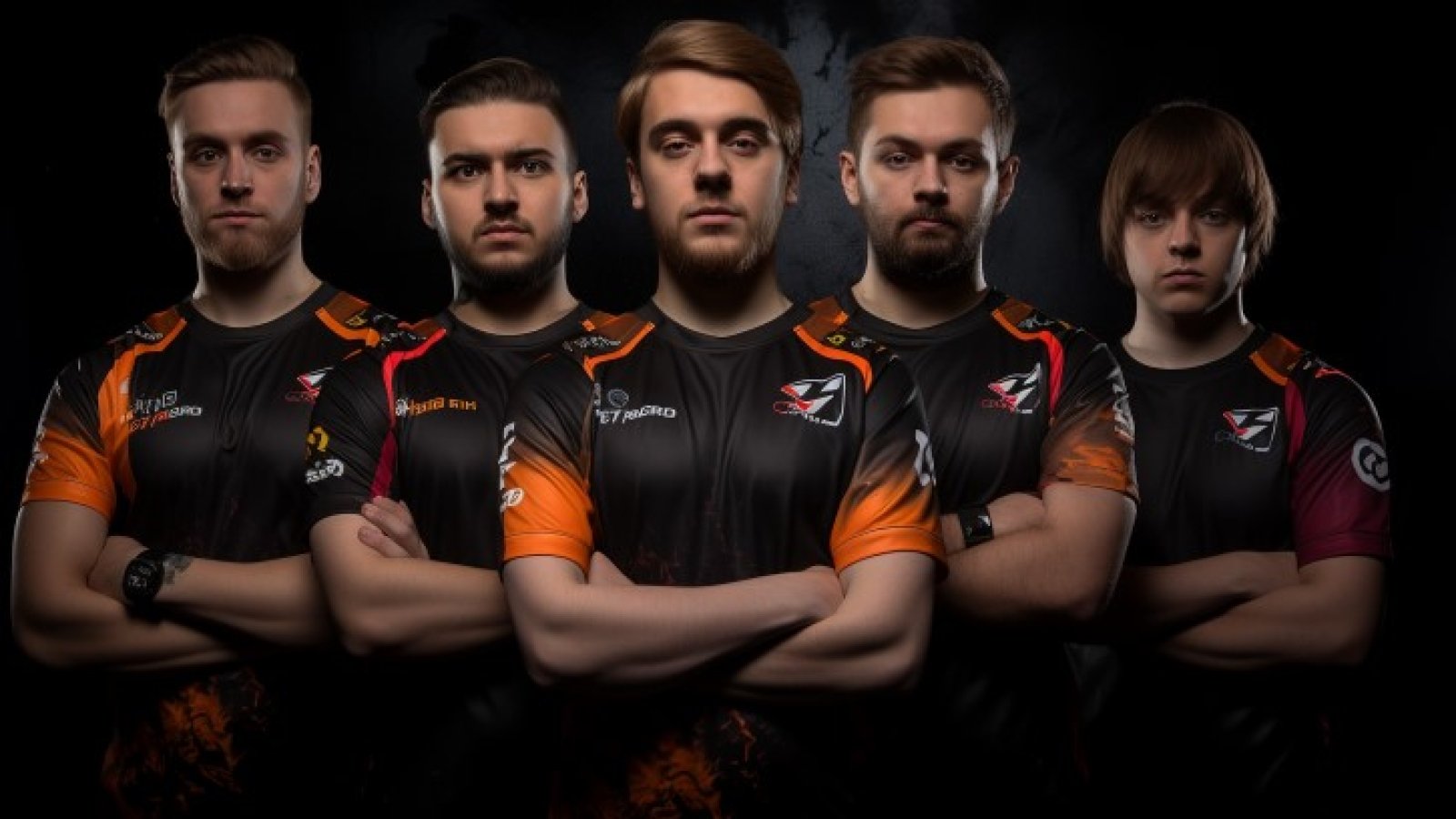
Understanding Team Roles in CS2: A Guide to Effective Coordination
Understanding team roles in CS2 is essential for fostering effective coordination and achieving success in this dynamic environment. Each member contributes unique skills that enhance overall performance. Key roles often include team leader, strategist, and support player. The team leader is responsible for guiding the team towards common objectives, ensuring that strategies are executed effectively. Meanwhile, the strategist focuses on developing tactics that leverage the strengths of each player, while the support player aids in defensive maneuvers and provides crucial assistance to the frontline players.
To ensure optimal performance, it is vital for teams in CS2 to establish clear communication and define team roles clearly. Effective coordination relies on understanding who is responsible for what aspects of gameplay. Consider the following steps to improve team dynamics:
- Identify strengths and weaknesses of each team member.
- Assign roles based on these strengths to maximize efficiency.
- Encourage open communication during practice sessions.
- Continuously reassess roles and strategies as the game evolves.
By following these guidelines, teams can enhance coordination and become more competitive within the demanding landscape of CS2.
Counter-Strike is a popular tactical first-person shooter (FPS) game that has captivated players for decades. In the latest iteration, players can enjoy new modes and features that enhance gameplay. To access certain exclusive features, you might want to Unlock CS2 Premier Mode for a more competitive experience.
5 Essential Strategies to Improve Communication in CS2 Teams
Effective communication is crucial for the success of any CS2 team. To foster better collaboration and enhance productivity, it’s essential to implement strategies that promote clear and transparent dialogue among team members. One key approach is to establish regular check-ins, which can take the form of weekly meetings or daily stand-ups, allowing team members to share updates, discuss hurdles, and align on priorities. This practice not only helps maintain an open line of communication but also builds accountability within the team.
Another important strategy is to utilize collaborative tools, such as project management software and instant messaging platforms, to streamline communication. By centralizing information, CS2 teams can ensure that everyone has access to the same resources and can quickly address any questions or issues that arise. Additionally, encouraging a culture of feedback—where team members feel comfortable providing constructive criticism and recognizing each other's efforts—can significantly enhance team dynamics and communication effectiveness.
How Can Team Coordination Lead to Victory in Competitive CS2 Matches?
In competitive CS2 matches, effective team coordination is crucial for achieving victory. Players must share information, communicate strategies, and synchronize their movements to outmaneuver their opponents. For instance, when executing a strategy to take control of a bomb site, teams should utilize voice communication to call out enemy positions and coordinate their attacks. This not only maximizes the chances of winning a round but also enhances team morale, as players feel more connected and confident in their roles.
Moreover, strong team coordination fosters adaptability during gameplay. When unexpected situations arise, teams that communicate efficiently can quickly reassess their strategies. For instance, if a player gets eliminated early in a round, remaining teammates can adjust their positions and tactics on the fly to cover weaknesses or exploit gaps in the enemy's defenses. By prioritizing team coordination, squads can build a cohesive unit that operates seamlessly together, ultimately increasing their likelihood of securing victory in high-stakes CS2 matches.