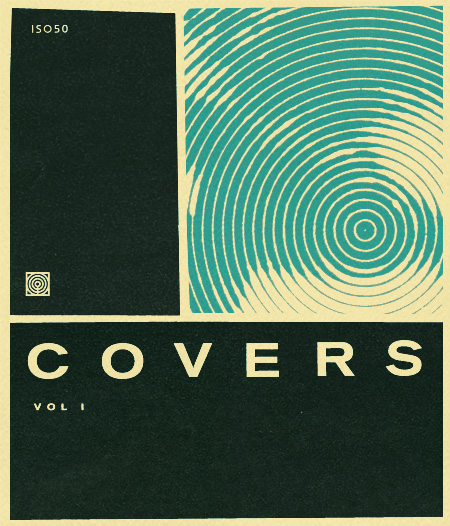
5 Creative Ideas to Transform Ordinary Book Covers into Stunning Visuals
Transforming ordinary book covers into stunning visuals can be a delightful and creative process. Here are 5 creative ideas to help you achieve an eye-catching design:
- Hand-Drawn Illustrations: Personalize your book covers by incorporating hand-drawn elements. Whether it's a whimsical doodle or intricate detailing, these illustrations can add a unique flair that sets your cover apart.
- Mixed Media Collage: Combine various materials such as fabric, paper, and found objects to create a mixed media collage. This approach not only enriches the visual texture but also tells a story, making your cover an artwork in itself.
Continuing with more ideas, consider the following:
- Bold Typography: Experiment with bold and creative typography to make the title stand out. Using custom fonts can dramatically change the perception of the cover and capture the essence of the book's content.
- Photography or Original Art: Utilize high-quality photographs or original artwork that resonates with the themes of the book. A striking visual can evoke emotions and draw readers in.
- Minimalist Design: Sometimes less is more. Create a minimalist cover that uses negative space and simple graphics. This approach can create a modern and sophisticated look, making the book appear chic and appealing.
Counter-Strike is a popular first-person shooter game that emphasizes teamwork and strategy. Players choose to join either the Terrorists or the Counter-Terrorists, engaging in a variety of game modes that often revolve around planting or defusing bombs. For gamers looking to protect their gear, check out the Top 10 macbook keyboard covers to keep their devices safe during exciting gameplay sessions.
How to Choose the Perfect Color Palette for Your Cover Design
Choosing the perfect color palette for your cover design is a crucial step in attracting your target audience. One effective method is to start by understanding the emotions that different colors evoke. For instance, blue often conveys trust and calmness, while red can evoke excitement and urgency. To simplify the selection process, you might consider creating a mood board that includes images, textures, and various color swatches. This visual reference can help you see how different colors harmonize with each other, ensuring a cohesive look that aligns with the theme of your work.
Once you have a shortlist of colors, it's important to consider their usability. Make sure to test your palette on different backgrounds and in various lighting conditions to ensure that it maintains its appeal across platforms. Additionally, think about contrast—using complementary colors can make your text stand out, enhancing readability. As a final touch, seek feedback from peers or potential readers; sometimes an outside perspective can reveal insights you might have overlooked. By following these steps, you'll be well on your way to creating a striking cover design that resonates with your audience.
The Psychology of Cover Design: What Makes a Cover Captivating?
The psychology of cover design plays a crucial role in capturing a reader's attention. A well-designed book cover serves as a visual cue, communicating not only the genre but also the emotional tone of the content within. Elements such as color, typography, and imagery work together to create an initial impression that can influence a reader's perception. For example, studies have shown that bright colors often evoke feelings of excitement, while dark hues may suggest seriousness or mystery. Utilizing these psychological principles allows designers to evoke specific feelings and draw readers in, making the cover a pivotal marketing tool.
Another essential aspect of cover design is the importance of brand consistency. Authors and publishers must consider how a cover fits within a broader context, especially if part of a series or an established brand. It should not only stand out on the shelf but also resonate with existing fans and attract new readers. The cover should effectively represent the story’s themes and characters to ensure that potential readers can easily identify with it. In conclusion, understanding the psychology of cover design empowers creators to craft covers that not only look appealing but also engage the target audience on a deeper psychological level.